 blog
7 Things That Decide What a New UTV Costs
Last Updated: October 26, 2026
Quick Summary
New UTV cost is driven above all by engine size and seating capacity, with utility, sport, recreational, and youth categories setting the range before you pick features. Because pricing depends on model, configuration, accessories, and availability, the honest answer is a current quote rather than a guess.
- Engine displacement and horsepower move the price more than any other spec.
- The category you shop in sets the price range before features matter.
- The first step up from entry-level buys the biggest capability improvement.
- Tires wear faster than passenger-car tires due to weight, torque, and terrain.
- A new UTV loses a meaningful share of value in the first few years.
Table of Contents
- What Drives New UTV Cost More Than Anything Else
- UTV Price by Type: Utility, Sport, Recreational, and Youth
- Entry-Level vs Premium: What the Price Gap Buys
- Electric UTV Cost: Where the Money Goes
- UTV Ownership Costs After the Purchase
- New vs Used: Which Delivers Better Total Value
- Get a Current Quote on a New UTV
- Frequently Asked Questions
What Drives New UTV Cost More Than Anything Else
New UTV cost is set by two variables above all others: engine size and seating capacity. Everything else, from paint to payload rating, adjusts the number up or down from that base. The gap between them is rarely about luxury. It is about what the vehicle is built to do.
Understanding what a new UTV costs starts with accepting that there is no single sticker price. There is a starting point for the category, and then there is the vehicle you actually need.
Engine Size and Power
Displacement and horsepower do more to move the price than any other spec. A smaller engine built for light hauling keeps the base price down. Step up to a bigger powerplant with more torque, and you pay for the engineering, the cooling, and the drivetrain that can handle it. Buyers who plan to tow or climb loaded need that power. Buyers who ride groomed trails mostly do not.
Seating Capacity and Configuration
If you are weighing configurations and want a deeper walkthrough, our guide on how to choose the right UTV breaks down engine size and seating side by side.
UTV Price by Type: Utility, Sport, Recreational, and Youth
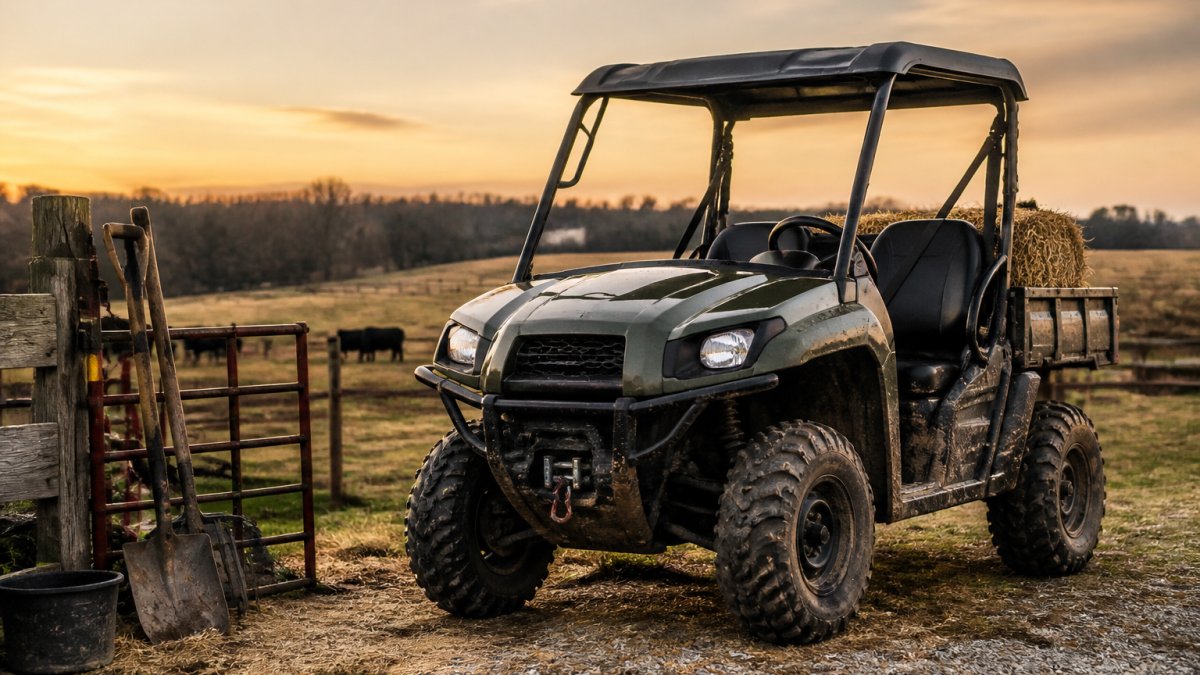
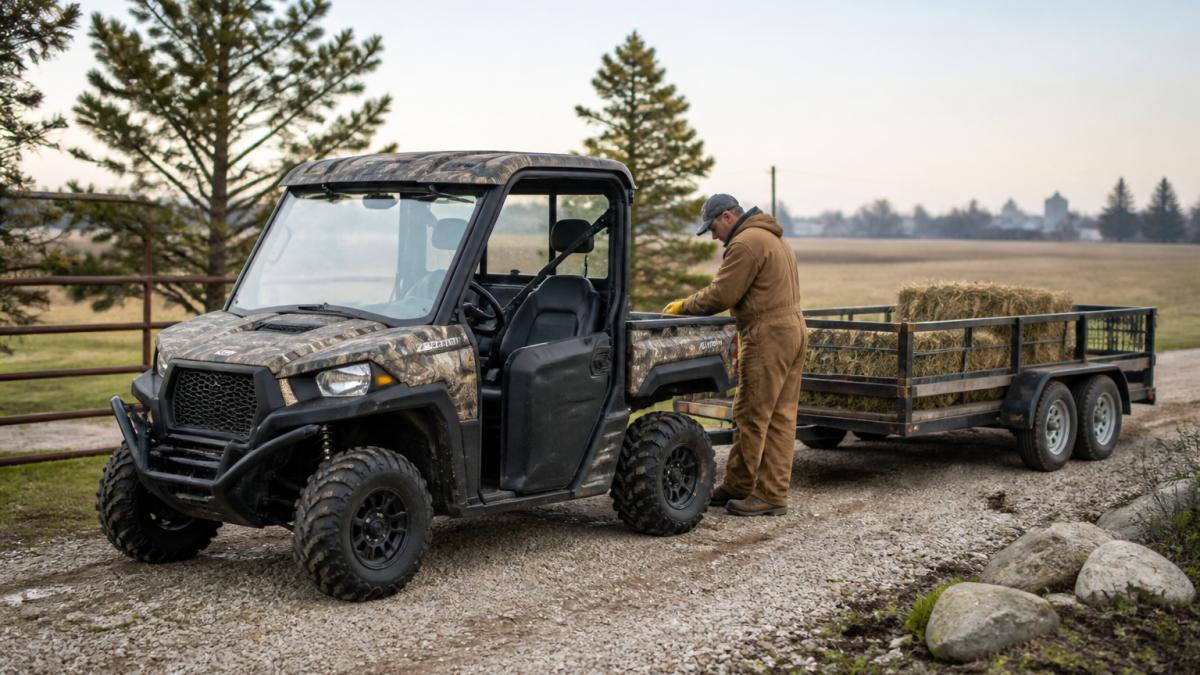
Price tracks intended use more closely than any single feature. A utility model built to haul feed and tow a trailer is priced for work. A sport model is priced for speed and suspension travel. Recreational and youth machines sit at the accessible end, sized and priced for lighter duty. The category you shop in sets the range before you ever pick a color.
Utility Models
For buyers comparing work-focused models, our farm and trail UTV buyer's guide goes deeper on matching a machine to the job.
Sport and Performance Models
Sport side-by-sides command a premium for suspension, power, and handling. Long-travel shocks, wider track, and high-output engines add cost. These are the machines for riders who value terrain capability and speed over cargo space. The trade-off is real: you give up bed capacity for performance.
Entry-Level vs Premium: What the Price Gap Buys
What most buyers miss is that the premium jump is not linear. The first step up from entry-level buys the biggest improvement in capability. Past a certain point, you are paying for refinements that matter mostly to serious riders.
Electric UTV Cost: Where the Money Goes
We stock both gas and electric powersports options, so we can talk through which fits your routine without steering you toward either.
UTV Ownership Costs After the Purchase
The purchase price is the start, not the total. Most buyers budget for the machine and then discover that the first three years of ownership carry their own recurring costs. Understanding those costs before you sign keeps the total predictable.
Fuel and Energy
Gas UTVs burn fuel based on engine size, load, and terrain. A smaller utility machine used for light property work will use noticeably less fuel than a high-output sport side-by-side ridden hard on trails. Electric models shift that cost to electricity and charging time, and range depends on battery capacity, temperature, and how much you load the machine. Cold-weather operation reduces usable battery range, which matters for winter plowing and grooming work.
Tires and Seasonal Service
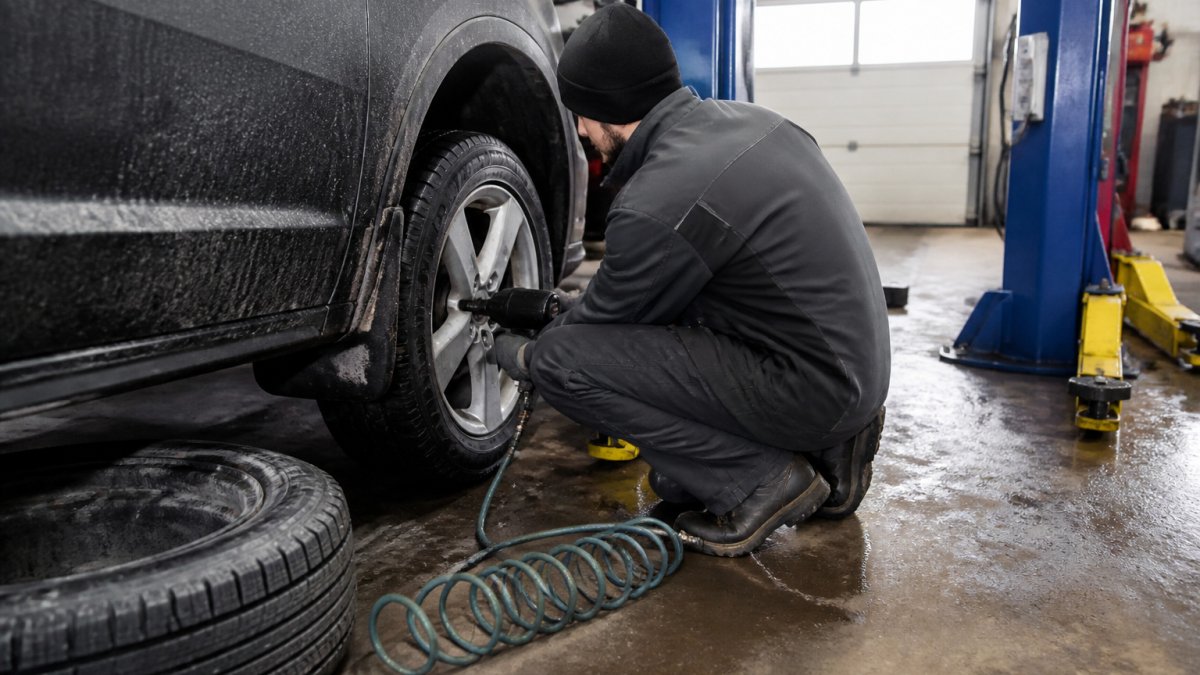
Tires are the single most overlooked ownership cost. UTV tires wear faster than passenger-car tires because of weight, torque, and abrasive terrain, and winter plowing accelerates wear on the front tires especially. Many owners run a dedicated winter setup, a more aggressive tread or a plow-specific front tire, and swap back in spring. That means either a second set of wheels and tires or seasonal mount-and-balance labor twice a year. If you plow, budget for tire replacement more often than a trail-only rider would.
Routine Maintenance
Scheduled service on a UTV typically includes engine oil and filter changes, air filter service, belt inspection or replacement on belt-driven models, coolant checks, brake pad inspection, and suspension and bushing inspection. Intervals vary by manufacturer and by how hard the machine is used; dusty work and heavy towing shorten them. Skipping intervals is the fastest way to shorten engine and drivetrain life, and it shows up later as a lower resale value.
Insurance, Registration, and Storage
Insurance requirements vary by province and by how the machine is used, on private property versus on designated trails or roads. Registration and trail permits are separate costs in many jurisdictions. Storage is easy to overlook: a UTV needs covered space, and in winter that means protection from snow load and freeze-thaw cycles. Owners without a garage or shed often pay for off-season storage.
Repairs and Replacement Parts
Wear items, belts, brake pads, tires, bearings, and suspension components, are the most common repair costs. Plow use adds stress to the front suspension, winch, and mounting hardware. Keeping a small reserve for wear-item replacement from day one is a common practice among experienced owners, and it protects both reliability and resale value.
Here are the recurring costs buyers should budget for beyond the purchase price.
| Cost | What drives it | Note |
|---|---|---|
| Fuel and energy | Engine size, load, terrain | Electric models shift cost to electricity and charging time |
| Tires and seasonal service | Weight, torque, abrasive terrain | Winter plowing accelerates front tire wear |
| Routine maintenance | Oil, filters, belts, coolant, brakes, suspension | Dusty work and heavy towing shorten intervals |
| Insurance, registration, storage | Province and how the machine is used | Trail permits are separate costs in many jurisdictions |
| Repairs and replacement parts | Belts, brake pads, tires, bearings, suspension | Plow use adds stress to front suspension and winch |
New vs Used: Which Delivers Better Total Value
New delivers a full warranty, current features, and no unknown history. Used can lower the entry price but may carry deferred maintenance and shorter remaining coverage. Total value depends on how long you keep the machine and how much service it needs, but the comparison is more concrete than that summary suggests.
Depreciation
A new UTV loses a meaningful share of its value in the first few years, and that depreciation is the largest single ownership cost most buyers never budget for. A used machine has already absorbed the steepest part of that curve, which is why the entry price is lower. The trade-off is that you inherit whatever maintenance the previous owner deferred, and you have less warranty protection to fall back on.
Warranty and Condition
A new machine comes with manufacturer coverage that protects you against early defects. Used machines may still carry transferable remaining warranty, but that depends on the model, the age, and the manufacturer's terms, verify it before you buy. Condition matters just as much: a used UTV with a documented service history and original wear items is a different proposition from one with unknown history, modified suspension, or a plow setup that has stressed the front end.
Financing
Financing changes the comparison. New machines often qualify for manufacturer-backed promotional rates and longer terms, which can narrow the monthly payment gap between new and used. Used financing may carry higher rates or shorter terms, and lenders may require an inspection. If you are weighing new against used, our guide to ATV financing options explains how payment structure changes the comparison before you commit.
How Long You Keep It
The longer you plan to keep the machine, the more the new-versus-used math favors new, because you capture more of the warranty period and you control the maintenance history from day one. Buyers who trade frequently often find that used makes more sense, because someone else has already absorbed the steepest depreciation. Neither answer is universal, the right choice depends on your timeline, your budget, and how hard you plan to use the machine.
Get a Current Quote on a New UTV
Pricing on any new UTV depends on the model, configuration, accessories, and current availability, so the honest answer is a quote, not a guess. We would rather build the number with you than quote a figure that shifts. Visit our ATV sales, service, and financing page to see what we carry and start the conversation.
Frequently Asked Questions
What is the difference in cost between a utility UTV and a sport UTV?
Utility UTVs typically carry a higher new UTV cost than sport models because they include cargo beds, towing capacity, and heavier-duty suspension built for hauling. Sport UTVs save money on work features but spend it on engine power and long-travel suspension. The gap widens once you add accessories like winches, plows, or cabs to a utility build. Ask your dealer for a build-and-price sheet on both so you compare out-the-door figures, not just the base MSRP.
What extra costs should I budget for beyond the sticker price?
For current pricing, visit Orillia Power Sports Inc's website or request a quote.
Are electric UTVs more expensive than gas UTVs?
Orillia Power Sports Inc offers gas and electric powersports options. For current pricing, visit the website or request a quote.
Is a new UTV worth the cost compared with a used one?
A new UTV brings a full warranty, known service history, and the latest features, which matters if you rely on the machine for work. Used units cost less upfront but may need immediate repairs, tires, or suspension work that narrows the savings. Inspect any used machine carefully or have a shop check it over. If financing rates favor new models, the monthly difference can be smaller than expected.
The right machine comes down to matching engine size, seating, and category to how you actually ride. At Orillia Power Sports Inc, we carry a full lineup of ATVs, UTVs, and dirt bikes alongside a full automotive repair shop for tires, brakes, and suspension work. Get started with Orillia Power Sports Inc and ride out with a UTV built for your trails and your work.