 blog
Dirt Bikes for Sale: New, Used & Electric Options
Table of Contents
- Finding Dirt Bikes for Sale That Fit How You Ride
- Beginner Dirt Bikes: Where New Riders Should Start
- Dirt Bike Size Guide: Match the Bike to the Rider
- Electric Dirt Bikes: Quiet Power for Trail and Track
- Used Dirt Bike Inspection Checklist Before You Buy
- New vs. Used Dirt Bikes: Weighing the Real Costs
- Frequently Asked Questions
Last Updated: October 19, 2026
Finding Dirt Bikes for Sale That Fit How You Ride
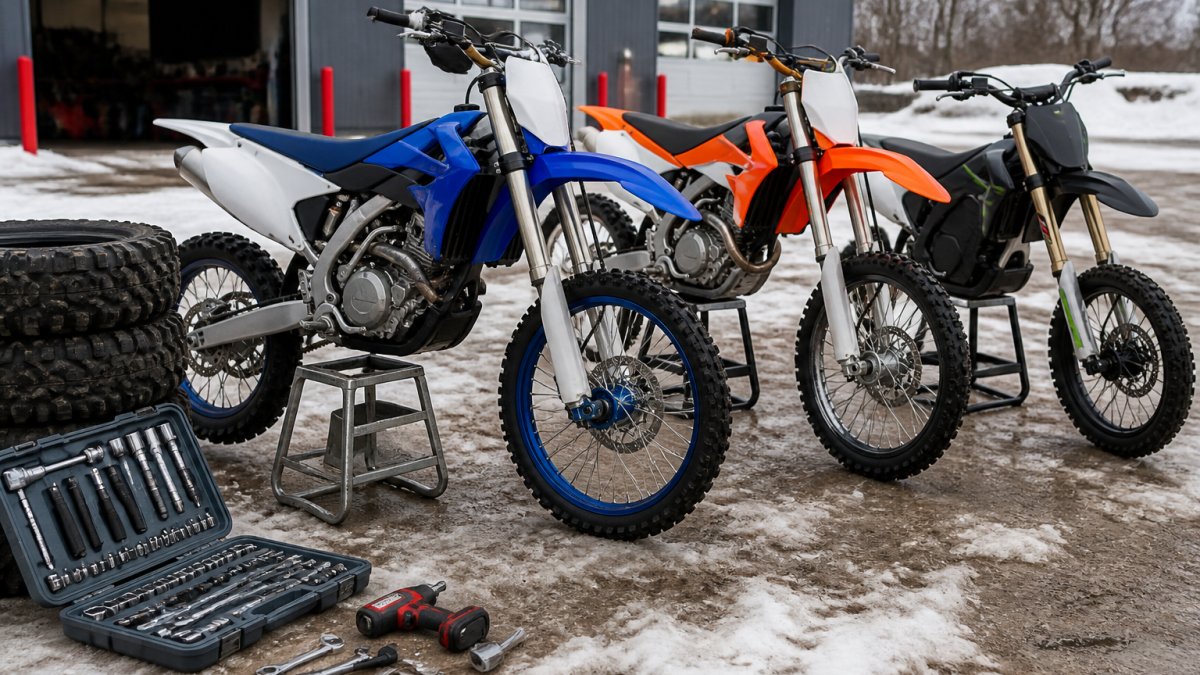
Shopping for dirt bikes for sale works best when you match the machine to the rider before you look at a single listing. At Orillia Power Sports Inc, we help families and trail riders sort through that decision every week, and the pattern is consistent: the riders who end up happiest picked the bike around their height, experience and terrain first, then worried about price.
That order matters more than most buyers expect. A full-size motocross bike is the wrong first purchase for a 12-year-old, and a small trail bike will frustrate an adult who plans to ride aggressive single-track. Get the fit right and everything else, from maintenance to resale, gets easier.
Below, we break down beginner bikes, a size guide by rider, electric options, a used-bike inspection checklist, and the real cost of new versus used. Every recommendation here comes from how these bikes are actually ridden, not from spec-sheet numbers alone.
Beginner Dirt Bikes: Where New Riders Should Start
The best beginner dirt bikes share three traits: a low seat height, smooth power delivery, and light weight that a new rider can pick up after a fall. Trail-oriented four-stroke models in the small-displacement range fit that brief far better than a high-strung motocross bike.
New riders tend to overbuy. A bigger engine feels exciting in the showroom and punishing on the trail, where a heavy bike with a tall seat erodes confidence fast. Start smaller than you think you need. You can always move up once the basics, clutch control, body position and braking, feel automatic.
Brands we carry for entry-level riders include Gio, Tao Motors, Apollo and Thumper, all aimed at getting new riders onto quality machines without overspending. If you are shopping for a child, youth and mini bikes in the 50cc to 110cc range are the usual starting point, and a pit bike makes a sensible first step for a teenager.
- Trail bikes: softer suspension, friendly power, best for beginners and casual riding
- Motocross bikes: stiff suspension, aggressive power, built for closed tracks
- Enduro bikes: lights and wider gearing, suited to long off-road rides
- Pit and mini bikes: small, affordable, great for kids and backyard practice
Dirt Bike Size Guide: Match the Bike to the Rider
A dirt bike size guide should start with seat height and rider inseam, not engine size. The most reliable method is to measure the rider's inseam in riding boots, then compare that to the bike's seat height with the suspension at race sag (the amount the bike settles under the rider's weight). As a rule of thumb, a new rider should be able to touch the ground with the balls of both feet while seated, or at least one foot flat when shifted to one side. Engine displacement comes second, matched to experience and terrain.
Here is how we would think through the fit:
| Rider | Typical Displacement | Bike Type | Best For |
|---|---|---|---|
| Kids (6-10) | 50cc-110cc | Youth/mini four-stroke | Backyard and beginner trails |
| Teens (11-15) | 110cc-140cc | Pit bike or small trail bike | Learning clutch and control |
| New adults | 125cc-250cc | Trail four-stroke | Confident first season |
| Experienced adults | 250cc-450cc | Motocross or enduro | Track and aggressive trail |
| Smaller adults | 125cc-230cc | Lower-seat trail bike | Reach and control |
Two-stroke and four-stroke engines behave differently, and that affects the fit too. Four-strokes deliver power smoothly, which suits beginners. Two-strokes hit harder and reward experienced riders who want snap. For most new riders, a four-stroke trail bike is the safer, more forgiving choice.
Height and weight matter as much as age. A tall 13-year-old may fit an adult-sized frame, while a shorter adult is often better served by a lower trail bike than a full motocross machine. Sit on several before deciding. Also consider the terrain you will ride most: tight woods favor a lighter, lower bike with a close-ratio gearbox, while open desert or track riding benefits from a longer wheelbase and more suspension travel. If you plan to ride in winter conditions, remember that tires and traction become the limiting factor, and a bike set up for snow or ice may need different gearing and tire selection than a summer trail bike.
Electric Dirt Bikes: Quiet Power for Trail and Track
Electric dirt bikes suit riders who want quiet operation, low maintenance and instant torque without fuel or oil changes. Models from Surron and Talaria have made electric off-road riding genuinely capable, and they are a strong fit for riders who value simplicity.
The trade-offs are real. Range depends on battery size and how hard you ride, and charging takes time. For short trail sessions, backyard practice or track laps, an electric bike is hard to beat. For all-day backcountry rides far from power, a gas bike still has the edge.
Electric bikes also appeal to families. They are quieter, which matters on shared or residential trails, and there is no clutch or kickstart to learn. New riders often find the smooth throttle easier to manage than a gas engine's power delivery.
Used Dirt Bike Inspection Checklist Before You Buy
A used dirt bike inspection checklist protects your money better than any negotiation tactic. Walk up to the bike cold, before the seller starts it, and look for leaks, wear and signs of hard use. A warm engine can hide starting problems.
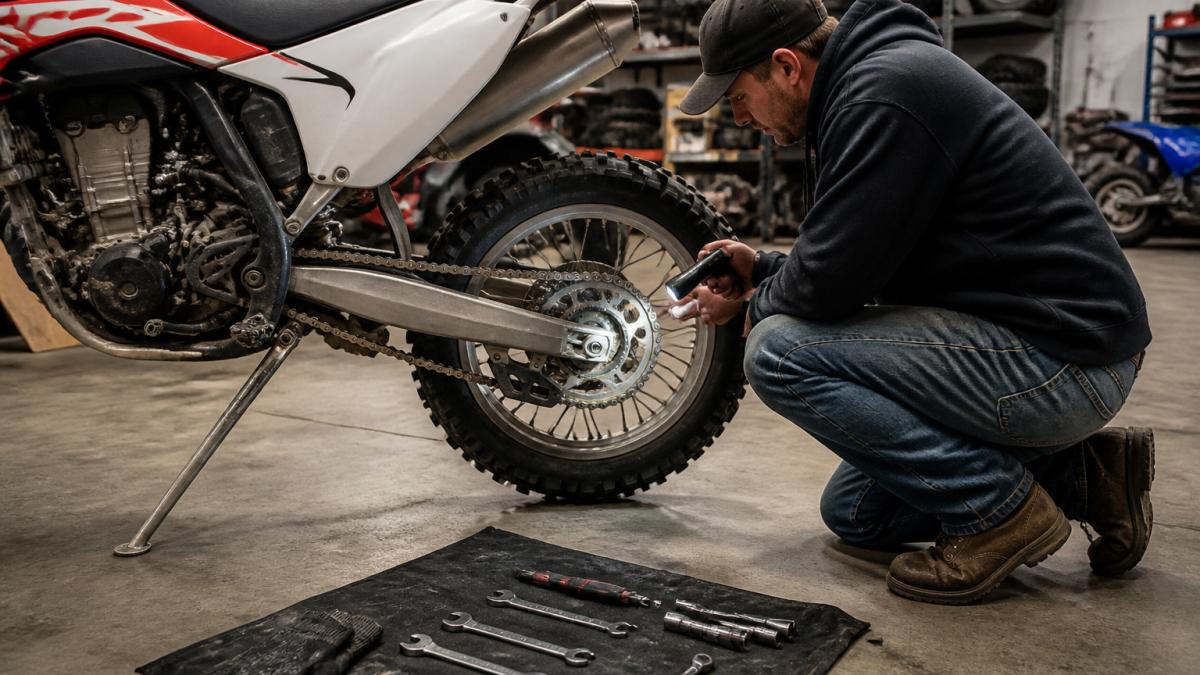
Run through these checks in order:
- Cold start: ask the seller not to warm it up first; listen for rattles or hard starting
- Leaks: check under the engine, forks and shock for oil or coolant
- Chain and sprockets: worn teeth or a loose chain signal neglected maintenance
- Tires: check tread depth and sidewall cracks, since replacement adds cost
- Brakes: squeeze the lever and pedal; they should feel firm, not spongy
- Suspension: bounce the bike and look for fork seals weeping oil
- Frame and wheels: look for cracks, bends or poorly repaired damage
- Hours and mileage: low hours on a clean bike is a better sign than a rebuild story
- Paperwork: confirm the seller's name matches the ownership documents
Ask about maintenance records and why the bike is being sold. A private seller with receipts and a straight story is worth more than a slightly cheaper bike with no history. If you are not confident inspecting it yourself, have a shop look it over before money changes hands.
New vs. Used Dirt Bikes: Weighing the Real Costs
New and used dirt bikes carry different costs, and the sticker price is only part of the picture. A new bike brings a warranty, known history and the latest safety features. A used bike costs less up front but may need tires, chain, brakes or suspension work soon after purchase. The smartest approach is to build a total ownership budget before you negotiate. Allocating funds for proper dirt bike safety gear remains an essential part of this financial planning, ensuring that riders are protected as soon as they hit the track.
Budget for the costs beyond the bike itself:
- Taxes and documentation: expect sales tax and dealer documentation charges on a new purchase; private sales may have different tax and transfer rules depending on your province.
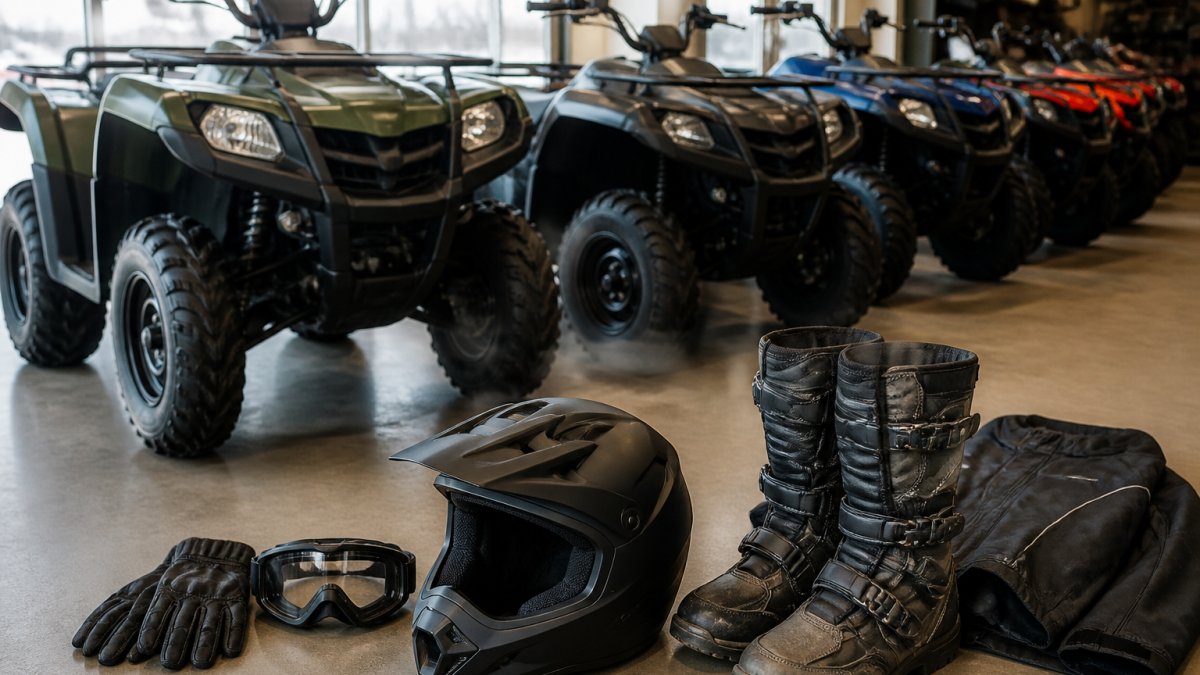
- Gear: helmet, boots, goggles and gloves are essential, not optional. Plan for a second set of gloves and goggles for wet or winter riding.
- Maintenance: oil, filters, chains and tires add up over a season. A used bike often needs a baseline service (oil change, air filter, chain adjustment, brake fluid) immediately.
- Transport: a trailer or hitch carrier is often needed to reach trails. Factor in tie-downs and a ramp.
- Insurance and registration: off-road rules vary, so confirm what applies to your riding area. Some provinces require registration and insurance even for off-road use.
- Winter readiness: if you plan to ride in snow or on ice, budget for winter tires (studded or aggressive knobbies), hand guards, and possibly a heated grip kit.
For a first bike, a well-inspected used trail bike often makes the most financial sense. For a rider who wants a warranty and zero unknowns, new is worth the premium. Electric models sit in between, with lower running costs but a higher entry price.
When comparing new versus used, use a simple checklist to avoid surprises. For a used bike, ask for maintenance records, check the air filter and oil, inspect the chain and sprockets for wear, look for fork seal leaks, and confirm the ownership documents match the seller. A cold start is essential: ask the seller not to warm the engine before you arrive. If you are not confident inspecting it yourself, have a shop perform a pre-purchase inspection.
This is also where buying from a dealer helps. At Orillia Power Sports Inc, we stock new and used dirt bikes across brands like Surron, Talaria, Gio, Tao Motors, Evoque, Thumper, Throne and Apollo, and our service shop handles the maintenance and tire work afterward. You can sit on the bike, ask questions and get it set up properly before your first ride. In winter, we also prioritize tire sales and installation, so you can get the right rubber for the conditions you actually ride.
Frequently Asked Questions
What should I look for when buying a dirt bike?
Start with the type of riding you plan to do, then match engine size and seat height to the rider. On a used bike, check the frame for cracks, look for oil weeping around the forks and engine cases, test the brakes and clutch, and inspect the chain and sprockets for wear. Ask for maintenance records and confirm the bike starts cold without hesitation. A thorough walkaround takes 20 minutes and can save you a costly surprise later.
How do I choose the right dirt bike size for a beginner?
A beginner should be able to touch the ground with both feet while seated, or at least the balls of both feet. Engine size matters too: smaller displacement four-strokes are easier to control while learning throttle and clutch. Use a dirt bike size guide that pairs rider height and inseam with seat height, and sit on several models before deciding. A bike that feels slightly small is easier to learn on than one that feels tall and heavy.
Are electric dirt bikes suitable for beginners?
Yes, many electric dirt bikes suit beginners well. They have no clutch or gears to manage, deliver smooth power, and run quietly, which helps on shared trails and near neighbors. Check the battery range against your typical ride length and confirm the bike's top speed matches your skill level. Electric models also need less routine engine maintenance, though you should still check brakes, tires, and battery connections regularly.
Should I buy a new or used dirt bike?
New bikes come with a warranty, the latest parts, and no unknown history, which suits riders who want reliability and dealer support. Used bikes cost less upfront but need a careful inspection: check frame, forks, engine cases, chain, sprockets, and tires, and ask for service records. Factor in gear, taxes, and maintenance either way. If you are unsure about mechanical condition, buying from a dealer with a documented inspection reduces risk.
The hardest part of buying dirt bikes for sale is not finding one, it is choosing the right one for the rider in front of you. Start with fit and experience, inspect carefully, and budget for the costs beyond the sticker. Orillia Power Sports Inc can help you compare new, used and electric options in person, with a full lineup for all ages and a service shop for tires, brakes and suspension. Get started with Orillia Power Sports Inc and ride away on a bike that fits.