 blog
blog
Trusted Vehicle Repairs: Convenient In-Person Shopping
Table of Contents
- Why In-Person Shopping Still Matters for Trusted Vehicle Repairs
- How to Choose a Mechanic You Can Actually Trust
- Tire Sales and Installation: What to Expect This Winter
- ATV Sales and Service Under One Roof
- Brake and Suspension Repair for Cars and Powersports
- Transparent Estimates and Repair Warranties: What Good Shops Offer
- Conclusion: Making Your Next Vehicle Repair Visit Easier
- Frequently Asked Questions
Last Updated: October 14, 2026
Why In-Person Shopping Still Matters for Trusted Vehicle Repairs
Walking into a shop and talking to the person who will actually work on your car or ATV changes the conversation. At Orillia Power Sports Inc, we see it every week: customers who booked online for years and then walked in once, met the technician, and never went back to a call center again. Trusted vehicle repairs start with a face, not a form.
Convenience matters too, but not the kind that means never leaving your couch. Real convenience is a shop you can reach quickly, that stocks the tires you need, and that can look at your vehicle the same day you call. That is the standard we hold ourselves to.
Below, we break down how to judge a shop before you hand over your keys, what tire service should look like this winter, and why powersports and automotive work belong under one roof.
How to Choose a Mechanic You Can Actually Trust
Choosing a mechanic comes down to things you can verify in person: credentials, reviews, how the shop explains the work before it starts, and what happens if the repair fails. Everything else is marketing. Establishing these standards early on simplifies the process of choosing a reliable mechanic, ensuring that your long-term vehicle maintenance remains in capable hands.
Walk in and ask questions. A shop that welcomes them will answer without hesitation, and will put the answers in writing.
Credentials, Reviews, and Red Flags to Watch For
- Licensed technicians: Ask what certifications the team holds, who performs the work, and whether the shop has experience with your vehicle type, gas, hybrid, EV, or powersports. A shop should name its technicians, not deflect.
- Verified reviews: Read reviews on multiple platforms, not just the shop's own website. Look for patterns across recent reviews, not single complaints, and check whether the shop responds to criticism.
- Itemized estimates: A written estimate should list parts and labor separately, plus any diagnostic fee. Vague lump sums are a warning sign.
- Red flags: Pressure to approve work on the spot, no written estimate, refusal to show you the failed part, or a quote that changes after the vehicle is on the lift.
How to Read an Itemized Estimate
A useful estimate has four parts: the diagnostic finding, the parts list with part numbers or grades, the labor hours, and the shop supplies or environmental charges. Ask which items are required for safety, which are recommended maintenance, and which can wait until next visit. That split lets you prioritize without guessing.
If a shop quotes a flat rate, ask what it includes. A flat rate that bundles diagnosis into the repair can hide the cost of finding the problem in the first place.
Warranty and Recourse: What to Ask Before You Approve Work
Warranties come in two layers: workmanship (the shop's labor) and parts (the manufacturer's coverage). Ask how long each lasts, whether the warranty is honored at the same location, and what you need to bring back if the same problem returns. Most shops will put this in writing on the invoice, if they won't, that is your answer.
Convenience Beyond Proximity
Proximity is only one kind of convenience. Ask about appointment lead times, walk-in availability, shuttle service, loaner vehicles, waiting areas, and after-hours drop-off. For winter tire season, a shop that lets you drop off the night before and pick up the next day can save you a full morning.
Bring your vehicle's maintenance schedule and any recent repair invoices to the first visit. A shop that reads them before quoting is already ahead of one that doesn't.
Tire Sales and Installation: What to Expect This Winter
Tire sales and installation in winter is about timing as much as product. Once the first snow hits, appointment slots fill fast and popular sizes sell out, so book before the rush rather than during it.
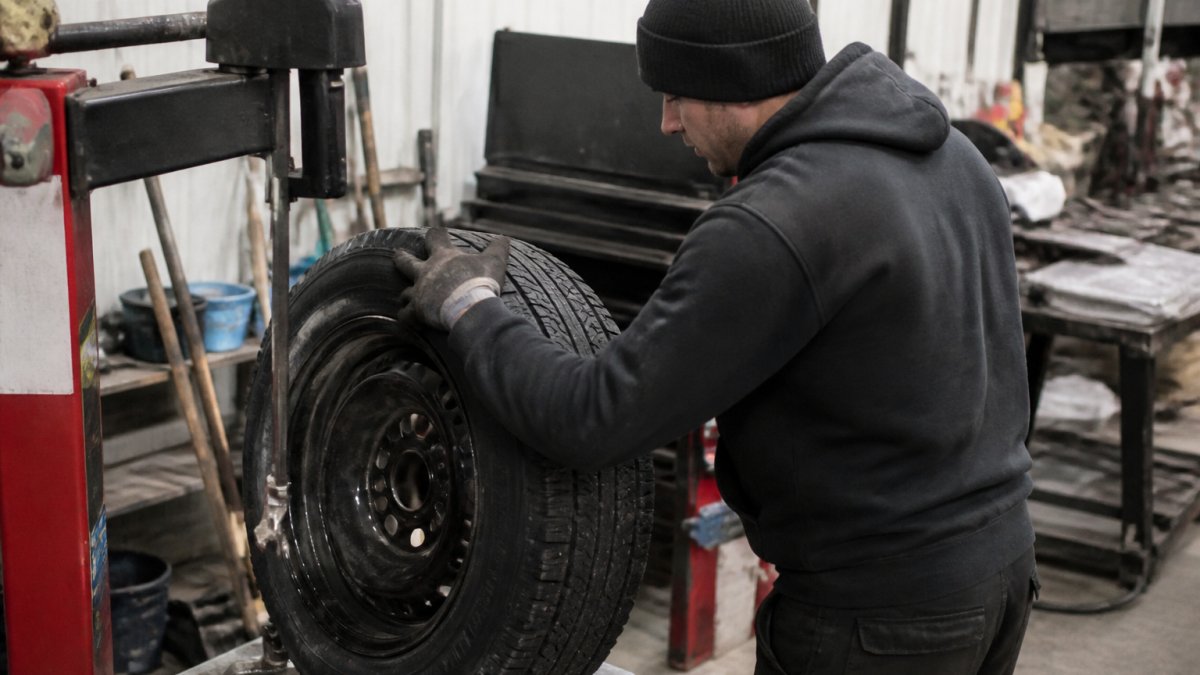
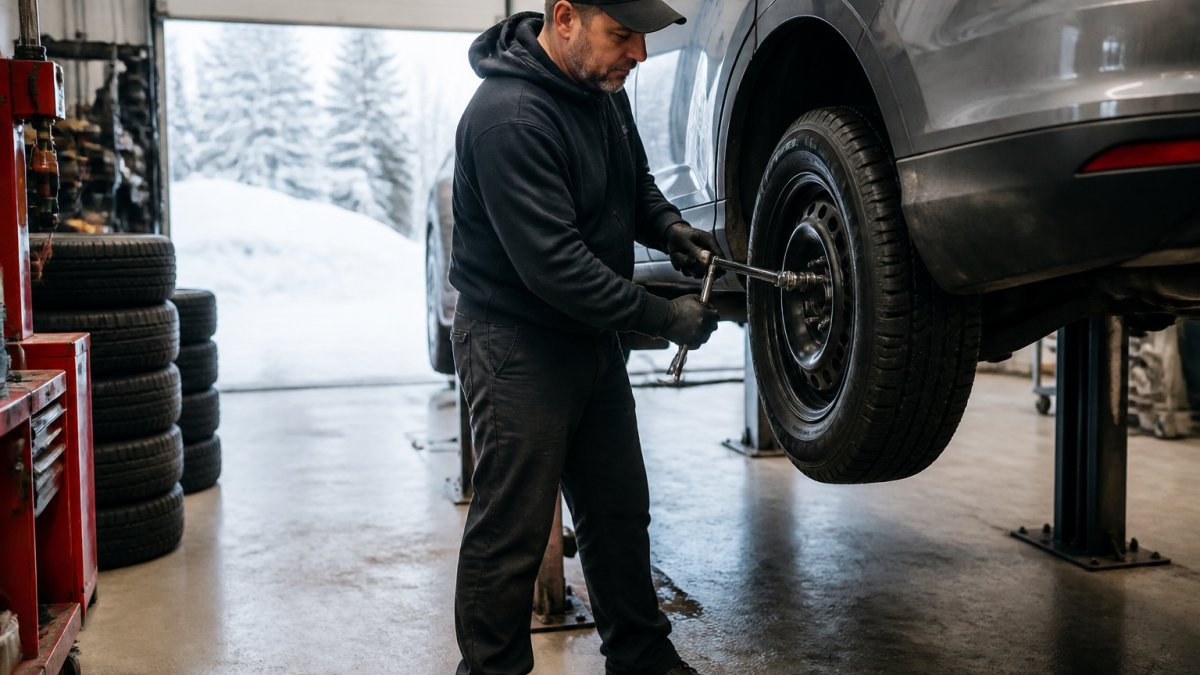
A proper winter tire service includes more than mounting rubber. Expect a technician to inspect tread depth, check for uneven wear that points to alignment problems, and torque every wheel to the manufacturer's specification. Ask whether the shop uses a torque wrench or a torque stick, the first is the standard you want.
Winter Tires vs. All-Seasons: What Actually Matters
Winter tires use a softer rubber compound that stays flexible below freezing, plus tread patterns designed to clear snow and slush. All-seasons harden in the cold and lose grip. If you drive on ice or packed snow regularly, the difference is not marketing, it is stopping distance.
Ask the shop to measure tread depth before and after the swap. A common rule of thumb is that winter tires lose effectiveness below about 4 mm of tread, even if they are technically legal. Have them show you the gauge reading.
Seasonal Tire Swaps and Storage Tips
- Book your swap before the first freeze, not after.
- Ask the shop to label and bag each tire so next season's install is faster.
- Store tires out of direct sunlight, stacked or on a rack, never crushed under other items.
- Have tread depth measured at every swap. Winter tread wears faster on dry pavement.
- If your vehicle uses tire pressure monitoring sensors, confirm the shop resets them after the swap.
If you have ever wondered when to switch, the honest answer is before the temperature drops below freezing consistently, not after the first skid.
Plows and Snowblowers: Winter Equipment Service
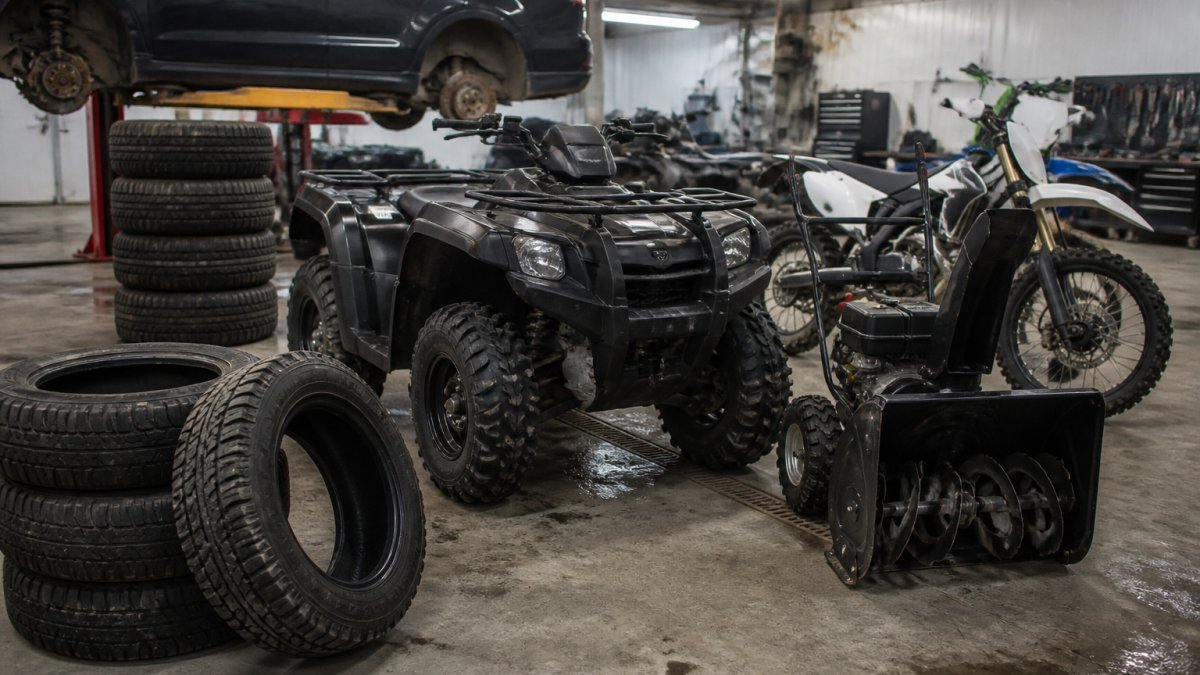
Winter tire season overlaps with snow equipment season. If you run a plow or a snowblower, book its service at the same time as your tire swap so both are ready before the first storm. Ask the shop to check belts, shear pins, and auger function on snowblowers, and hydraulic fluid and blade wear on plows. A machine that fails in the middle of a driveway is a bigger problem than a missed appointment.
ATV Sales and Service Under One Roof
Buying an ATV and servicing it at the same place saves a surprising amount of hassle. The sales team knows the machine's history, and the service bay knows what that model needs at each interval.
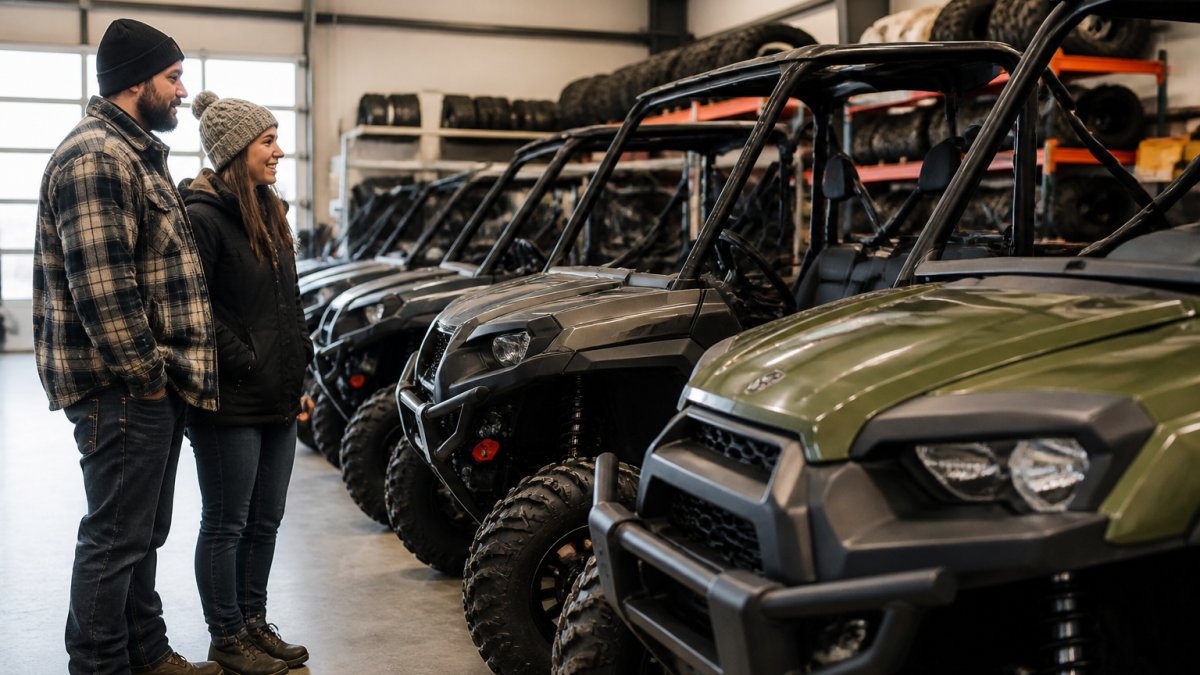
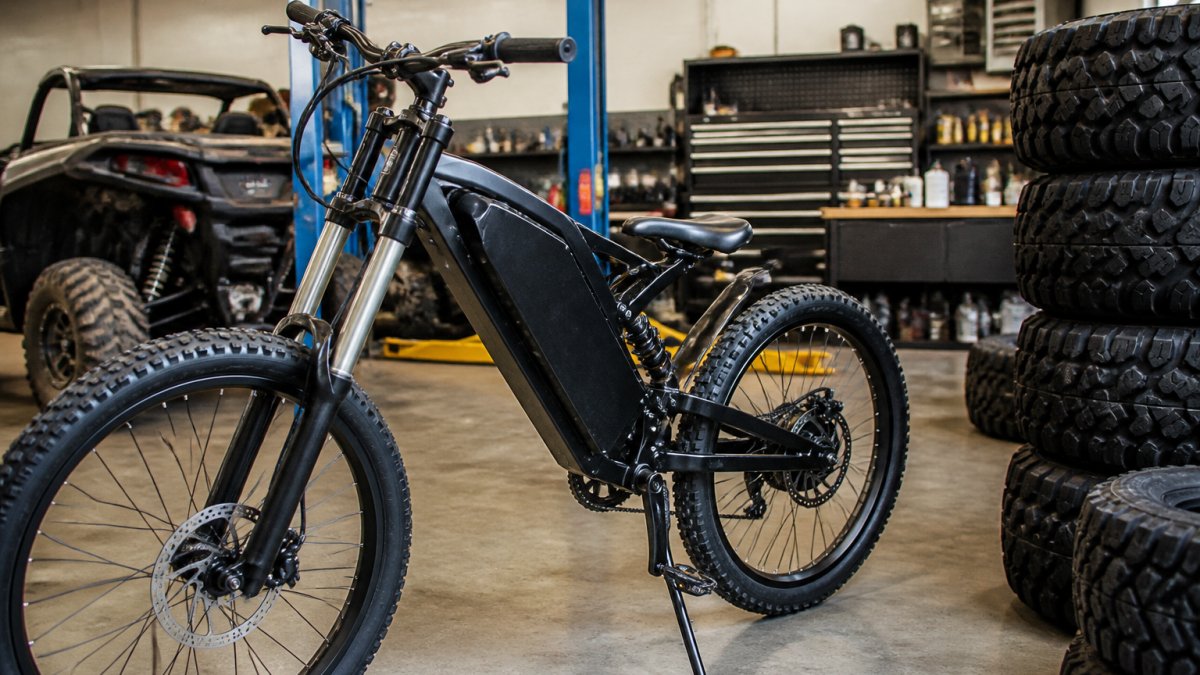
We stock a full lineup of ATVs, UTVs, and dirt bikes for all ages, including gas and electric models. When a machine comes back for its first service, the technician already knows how it was set up and ridden.
That continuity matters most for families buying a first machine. You get advice on the right size, then the same people handle the break-in service. One relationship, one place to call.
Brake and Suspension Repair for Cars and Powersports
Brake and suspension repair is where a shop's real capability shows. These systems are safety-critical, and the diagnosis matters as much as the parts.
For cars and trucks, we handle brake service and suspension work in our full automotive repair shop. For ATVs and UTVs, the same principles apply, though the parts and tolerances differ. A shop that works on both understands the differences.
Ask any shop how they diagnose before they replace. A technician who road-tests, measures, and explains the fault is worth more than one who simply swaps parts until the noise stops.
Transparent Estimates and Repair Warranties: What Good Shops Offer
Transparent estimates and clear warranty terms are the two things that separate a shop you trust from one you tolerate. Both should be in writing before work begins.
A good estimate breaks down parts, labor, and any diagnostic fee. It also notes what the shop found and what it recommends, so you can decide what to fix now and what can wait. A good warranty states its length and what it covers in plain language.
Ask two questions before you approve any repair: "What happens if the same problem comes back?" and "Is this work covered, and for how long?" The answers tell you more about a shop than any review.
Conclusion: Making Your Next Vehicle Repair Visit Easier
The hardest part of any repair is deciding who to trust with your vehicle. A shop that shows you the estimate, explains the work, and stands behind it removes most of that worry.
At Orillia Power Sports Inc, we combine a full automotive repair shop for cars and trucks with ATV, UTV, and dirt bike sales and service under one roof. You can see the tires, meet the technicians, and get the work explained in person before anything starts.
Get started with Orillia Power Sports Inc and keep your vehicle, ATV, or UTV moving all winter.
Frequently Asked Questions
How do I know I can trust a mechanic with my vehicle repairs?
Look for a shop that provides written, itemized estimates before work begins and explains each line. Ask about technician certifications, repair warranties, and whether they use OEM or aftermarket parts. Check verified customer reviews and ratings. A trustworthy shop will answer questions without pressure, show you the failed part if you ask, and put the warranty terms in writing. Visiting in person lets you see the bay, meet the staff, and judge how organized the operation is.
Can one shop handle both car repairs and ATV sales and service?
Yes. Some full-service shops sell and service powersports vehicles like ATVs, UTVs, and dirt bikes alongside automotive work for cars and trucks. That means one visit can cover tire sales and installation, brake and suspension repair, and seasonal maintenance for both your daily driver and your trail machine. Ask whether the same technicians handle both, what brands they stock, and whether parts for older models are readily available before you book.
What should I check before buying an ATV in person?
Sit on the machine and confirm the seat, bars, and controls fit your size. Ask to start it cold, listen for unusual noise, and check for leaks under the engine and around the shocks. Review the service history, confirm whether it is gas or electric, and ask what warranty covers the purchase. For kids' models, check the age and speed recommendations. Buying in person lets you inspect the unit, ask questions face to face, and avoid surprises that photos can hide.
How often should tires be inspected or replaced?
Check tire pressure monthly and inspect tread depth and sidewalls before each seasonal change. Winter tires typically go on once temperatures stay near or below 7°C, and they should be swapped back in spring. Replace tires when tread wear indicators appear or when you see cracking, bulges, or uneven wear. For ATVs and UTVs, inspect after every few rides, especially if you ride on rocky or muddy trails. A quick in-person inspection catches problems before they strand you.